

 US BCSD Member General Motors' 110th Landfill-free property is a big one: 5.5 million square-feet, 12,000 office workers, 3,000 daily visitors, with a 73-floor hotel. The Renaissance Center in Detroit, Michigan is no longer sending any waste to the dump. The Detroit Free Press reports,
“From our CEO all the way across the organization, every single person plays a role in this project,” said John Bradburn, GM’s waste reduction manager and US BCSD Chairman. Purging waste from the RenCen bedeviled GM’s environmental sustainability officials for a time. For example, the hotel needed to find a way to address mattresses. The automaker collaborated with 11 other RenCen corporate tenants — including Blue Cross Blue Shield of Michigan — as well as 27 retailers and 20 restaurants. “It’s a very, very diverse site,” Bradburn said. “For us to get this done, we needed to get everybody’s buy-in — and we were very pleased to know when we sat down with the various retailers and businesses in there, they were very enthused about doing this.” (Source)
Our colleagues at the WBCSD produced this short video on why your business should account for Natural Capital. Learn more at http://www.pitchfornature.com/. Want to take action on Natural Capital? Attend our Business Ecosystems Training on December 4th in Columbus, Ohio. Visit bet-us.org for more information and to register.
We’re please to announce that Keeping PACE in Texas was honored as the 2013 Statewide Collaborative of the Year at the Texas Renewables 2013 Conference organized by the Texas Renewable Energy Industry Association (TREIA). The award was presented to Keeping PACE in Texas “for building constituencies and coordinating the roll out of an innovative financing method for energy and water efficiency projects in Texas.” Keeping PACE in Texas is a non-profit business association organized for the purpose of promoting Property Assessed Clean Energy (PACE) financing programs throughout the state of Texas. Under the leadership of Executive Director Charlene Heydinger, KPT's first goal - the enactment of PACE-enabling legislation - was accomplished on June 14, 2013, with the passage of The Property Assessed Clean Energy Act.
KPT is now focused on assisting counties and municipalities with the creation, design, and implementation of locally-administered PACE programs. To this end, KPT is organizing a group of more than 50 stakeholders – property owners, lenders, energy service companies, industry trade associations, local governmental authorities, and others – in a collaboration to create uniform standards, documentation, and best practices for PACE financing programs in Texas. The effort takes into account best practices and lessons learned in other parts of the country.
Upon completion of this effort, KPT will assemble a tool kit, to be known as “PACE in a Box”, containing everything a county or municipality requires to establish effective PACE programs at the local or regional level throughout the state. The development of PACE in a Box will accelerate the implementation of PACE financing programs in Texas, enabling Texas to serve as a model for other states to follow as they implement their PACE programs.
Istanbul, 5 November 2013 - In the face of unprecedented global, regional and local sustainability challenges, the need for transparent and effective non-financial reporting has never been more urgent. In partnership with Radley Yeldar, the WBCSD has conducted one of the largest independent research projects of corporate non-financial reporting, entitled Reporting matters - WBCSD 2013 Baseline Report.
 Reporting matters, launched at the WBCSD’s Council meeting this week in Istanbul, sheds light on effective non-financial reporting practices and offers a pool of inspirational examples to stimulate the sharing of best practices. The review provides recommendations so that corporate reports can help companies create value for all stakeholders in the short, medium and long-term.
Using a set of qualitative criteria, the WBCSD conducted a review of 175 of its members’ sustainability reports to identify effective reporting practices for the benefit of WBCSD members and the wider corporate community. The research reveals that while there are many examples of outstanding reporting practice, there are also many opportunities to make reporting even more effective - often through simple quick-win actions.
“Reporting practices need to change to ensure that businesses are truly valued on what is important and that more sustainable companies get better recognized and rewarded for their performance,” said Peter Bakker, President of the WBCSD.
Reporting matters also takes into account recent developments in reporting frameworks such as the Global Reporting Initiative (GRI) G4 Guidelines and the recently issued draft of the Integrated Reporting Framework. Although integrated reporting is by no means the principle channel through which companies report on their non-financial performance, Reporting matters research shows that the GRI guidelines are used by the majority of companies, and that the Integrated Reporting Framework is gaining traction.
The report also suggests that effective corporate reports are those that are engaging and meet readers’ information needs, which is why a significant part of the research in Reporting matters focuses on report users’ experience.
“Understanding report audiences’ needs is key to effective reporting. The very best reports can act as a catalyst for change, and that’s why this research is so important in providing much needed focus on ‘how’ to report in addition to ‘what’,” said Ben Richards, Head of Sustainability at Radley Yeldar.
Among many criteria, the concept of materiality emerges as the cornerstone of effective reporting. Derived from a principle of financial reporting, materiality is used to help focus on a more strategic approach as well as to guide investment and resources allocation decisions.
Through effective reporting, the WBCSD urges companies to scale up solutions to global priorities identified by the WBCSD’s new Action2020 initiative, and progress towards its Vision2050 ideals of true cost, true profit and true value. The WBCSD will work with its members on ‘changing the rules of the game’ by developing tools for the integration of sustainability into risk management frameworks and valuation models, and through engagement with standard setters, the investment community and regulators.
Read more about the WBCSD’s work on reporting and investment.
Sir Richard Branson, Chairman and Founder of the Carbon War Room, addresses the audience at the launch of the Clean Energy Green Corridor program. A partnership between Ygrene Energy Fund & seven Miami-Dade municipalities, the Green Corridor provides 100% financing for commercial & residential property improvements.
In a multi-part release over the next few weeks, we’ll be posting a series of updates exploring key themes and recent outcomes from the Louisiana Water Synergy Project. While these themes are Louisiana-specific, all of them can be applicable to most watersheds in the US. During the July 30th Louisiana Water Synergy Project meeting, guests from the Louisiana Department of Environmental Quality (LDEQ), the Louisiana Department of Agriculture and Forestry (LDAF), and the Louisiana State University AgCenter joined project participants to discuss nutrients management and water quality in watersheds across the state of Louisiana.
LDEQ, the Coastal Protection & Restoration Authority (CPRA), LDAF, and the Louisiana Department of Natural Resources (LDNR) are working on a comprehensive Louisiana nutrient management plan with the goal of managing nutrient levels in inland and coastal water bodies.
 The nutrient management plan will be released by the end of 2013, and includes water quality monitoring, point source wetland assimilation, coastal river diversions, and best management practices. LDEQ is seeking to incentivize non-point sources – like municipalities and agricultural operations – to adopt best management practices. They also encourage industry in LA to openly communicate what they’re already doing to manage nutrients in an effort to foster a positive relationship between point and non-point sources.
Farmers and ranchers face significant challenges to produce more and impact less in this era of rapidly increasing global population. While interested in using best management practices, producers look to their consumers for help getting there. An example of such collaboration is Kellogg’s Rice Master Grower program, a joint effort between the Kellogg Company, the Louisiana Rice Mill, and the Louisiana State University AgCenter. The program recognizes farmers based on their growing practices, giving the highest honors to those who utilize best management practices most extensively.
Discussions between regulators, industry, and the agriculture community at Water Synergy Project meetings have proven the common goal of managing nutrients and water quality unites the sectors - with all sides interested in collaboration. One pilot project currently being explored would focus on an impaired inland lake where facilities and farmers operating in the region could work together to identify needs, take action, and possibly engage in environmental markets where the costs and benefits of the project are shared among participating parties.
Collaboration between regulators, industry, and the agriculture community has the potential to comprehensively improve water quality in Southern Louisiana and the Gulf of Mexico, and replicating the project process in other watersheds has potential to improve water quality throughout the country. Visit our water page or contact Susan Fernandes for information.
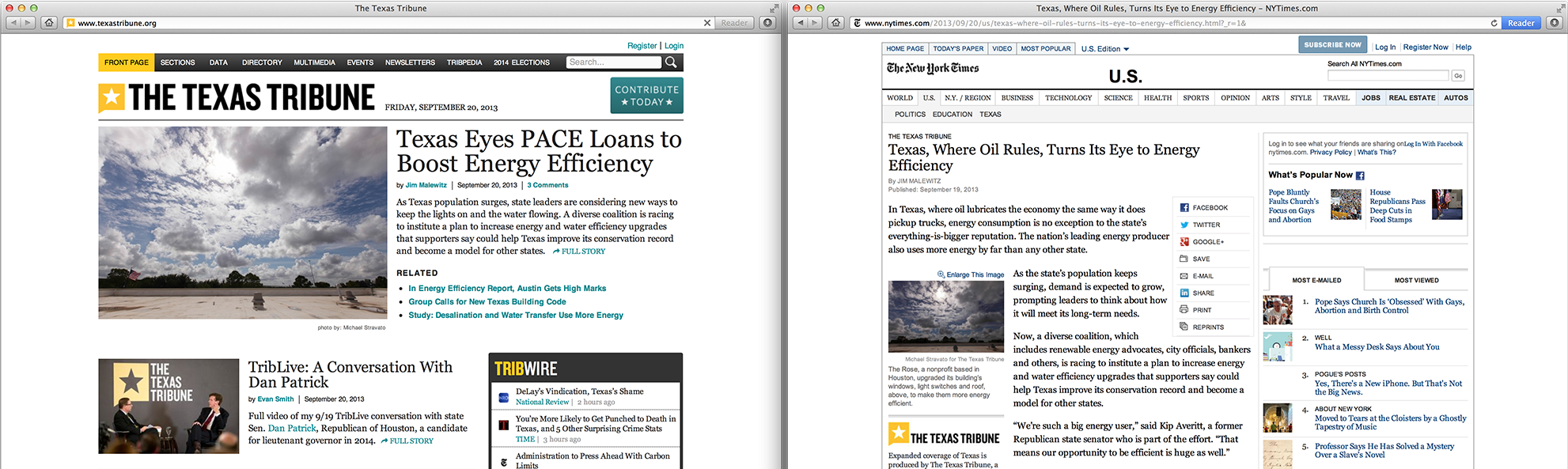 Property Assessed Clean Energy financing in Texas was front page news in the Texas Tribune and New York Times today, highlighting its effectiveness as a mechanism to boost energy efficiency.
"The approach, known as Property Assessed Clean Energy, or PACE, addresses the biggest barrier to efficiency investments: initial costs that can take years to recoup. A law allowing cities and counties to set up programs passed this year with overwhelming support in the Legislature.
PACE allows the owners of commercial and industrial property to use a property tax lien to finance energy efficiency upgrades like solar panels and water recycling systems. PACE programs bill an owner through the lien and forward payments to a private lender. Under a smooth-running program, property owners pay less than what they save on their energy bills. If a property is sold, the new owner would inherit the debt — a rule meant to further reduce the risks of investment."
For more information about PACE in Texas, visit http://www.keepingpaceintexas.org/
Source: Texas Tribune, New York Times
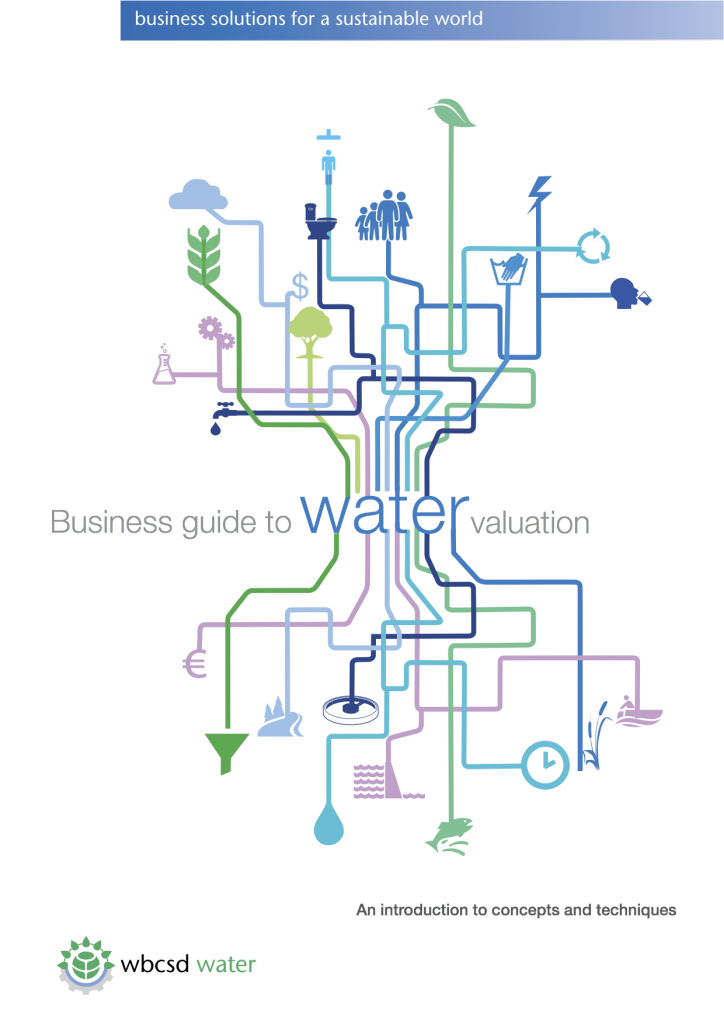 The WBSCD has launched a Business guide to water valuation in recognition of the difficulty businesses face in accurately measuring the importance of water. This new publication aims to provide business guidance on how to assess the value of water to their operations but also to society as a whole. Better valuing water can in fact help companies better manage water, thus reduce water stress and ensure the sustainability of their future operations. The guide shares best practices concepts and techniques to help managers commission, manage and review water valuation studies, and make the best use of the findings.
It draws upon 25 business-related valuation cases that demonstrate how water valuation can be used to reach different goals, and that illustrate the valuation concepts and techniques. Peter Bakker, President, WBCSD said,
The WBSCD has launched a Business guide to water valuation in recognition of the difficulty businesses face in accurately measuring the importance of water. This new publication aims to provide business guidance on how to assess the value of water to their operations but also to society as a whole. Better valuing water can in fact help companies better manage water, thus reduce water stress and ensure the sustainability of their future operations. The guide shares best practices concepts and techniques to help managers commission, manage and review water valuation studies, and make the best use of the findings.
It draws upon 25 business-related valuation cases that demonstrate how water valuation can be used to reach different goals, and that illustrate the valuation concepts and techniques. Peter Bakker, President, WBCSD said,
“There is a global recognition that water is rarely valued appropriately and as water demand continues to stretch and stress our water supply, businesses will increasingly need to account for the real value of water they are using in order to inform decision-making. And more broadly, greater practical collaboration and local participation is needed in the collective management of water to ensure long-term access to the resource in the context of competing demands."
This collaboration is a key part of the WBCSD's Action 2020 framework to achieve core societal and planetary goals through business solutions by 2020. Click here to download the full report.
In a multi-part release over the next few weeks, we’ll be posting a series of updates exploring key themes and recent outcomes from the Louisiana Water Synergy Project. While these themes are Louisiana-specific, all of them can be applicable to most watersheds in the US. On July 30th, the Louisiana Water Synergy Project held its quarterly meeting in Baton Rouge, Louisiana, bringing over 35 representatives of academia, industry, service companies, and regulators together to discuss their shared interests in water quality, quantity, storm water management, and coastal resiliency.
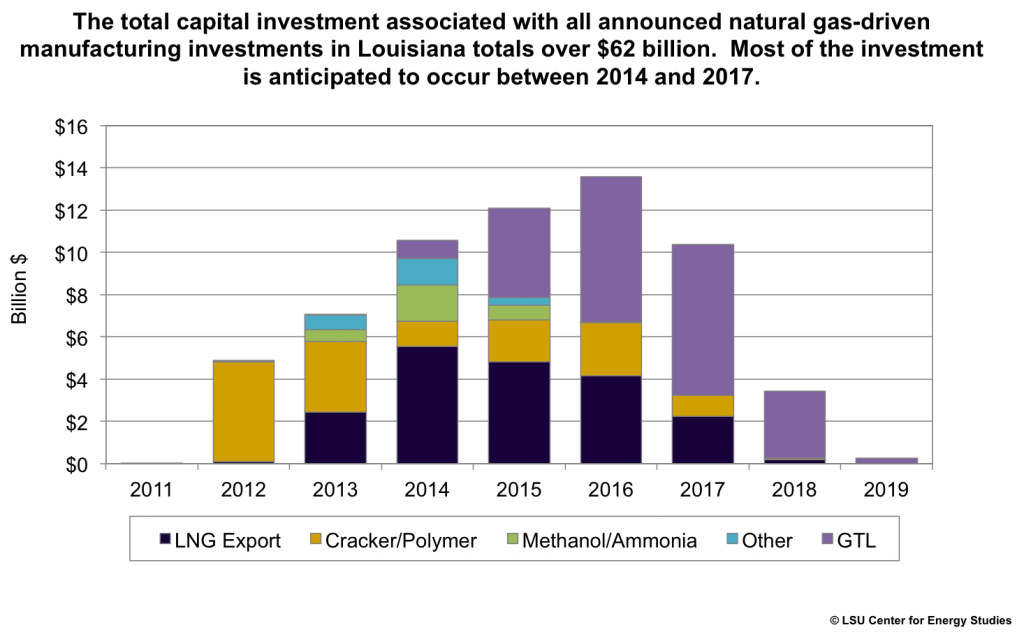 The LSU Center for Energy Studies estimates $62 billion in industrial investments are planned for Louisiana including new facilities and expansions of existing facilities, with a large portion coming from the chemical, refining, and manufacturing sectors. The Center predicts most of the development will occur along the Mississippi River corridor between Baton Rouge and New Orleans - the heart of the Water Synergy Project area.
David Dismukes, Associate Director at the Center, is examining the potential economic impacts associated with these planned capital investments in Louisiana over the next nine years, which are driven in large part by the increased availability and low cost of natural gas.
Facilities highlighted for expansions or new construction include liquid natural gas (LNG), gas to liquid (GTL), and chemical production including methanol, ammonia, and polymer. Water is used to re-vaporize LNG, as a feedstock for chemical production, and in the transport of goods to terminals. Each use is accompanied by potential water management challenges; and as industry grows, water use will intensify.
An influx of industrial development comes with a substantial increase the number of jobs, and workers to fill those positions. Louisiana will not only experience economic development, but also infrastructure challenges as the population rises. Non-point source pollution is often solely attributed to agriculture, but according to the EPA, the second leading source of water quality impairment in the United States is municipal point sources, followed by changes in land use and urban runoff. (source) As neighborhoods expand, impacts to water quality and quantity will follow.
The scale of the development projected for Louisiana is unprecedented and exponentially raises the importance of cross-sector communication and management of water resources. The Louisiana Water Synergy Project is led by members of oil and gas, chemical, energy, alumina, steel, cement, fertilizer industries and service companies. Representation from the agriculture sector is expected to join soon. Through our meetings individual water challenges are revealed to be common issues, best management practices are shared, and unified strategies are developed; strategies that will be crucial for effective water management in the years to come.
 By-Product Synergy is useful to more than just the companies and organizations exchanging goods; in some cases, entire communities benefit. US BCSD member General Motors has brought its home city of Detroit into the BPS loop by donating its used shipping crates to Cadillac Urban Gardens. The community garden grows roughly 2,400 vegetables and herbs, which in turn are provided free of charge to area residents.
Source: http://detroit2020.com/2013/08/16/our-person-of-the-week-unifies-a-community-through-an-urban-garden/
By-Product Synergy is useful to more than just the companies and organizations exchanging goods; in some cases, entire communities benefit. US BCSD member General Motors has brought its home city of Detroit into the BPS loop by donating its used shipping crates to Cadillac Urban Gardens. The community garden grows roughly 2,400 vegetables and herbs, which in turn are provided free of charge to area residents.
Source: http://detroit2020.com/2013/08/16/our-person-of-the-week-unifies-a-community-through-an-urban-garden/
Texas Gov. Rick Perry has signed legislation allowing local property taxing authorities to enact ordinances enabling Property Assessed Clean Energy (PACE) programs across the state. PACE financing will allow commercial and industrial building owners to obtain low-cost, long-term private sector financing for water conservation and energy-efficiency improvements. With Gov. Perry’s signature, the PACE program is effective immediately.
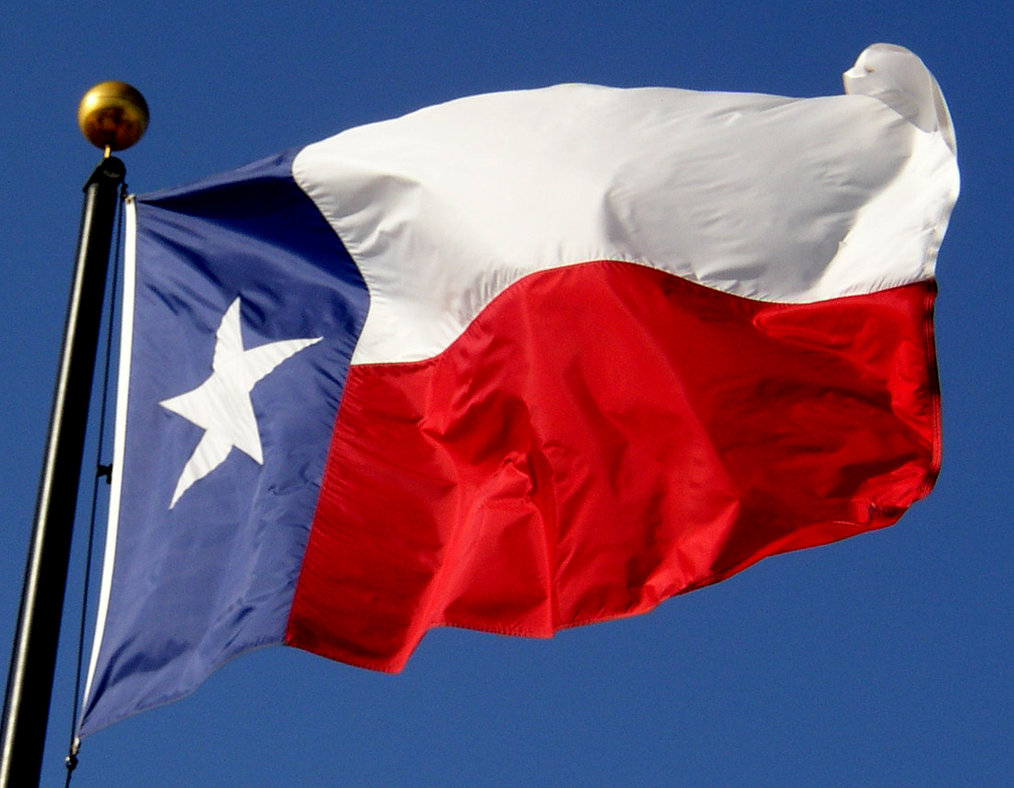 The Texas PACE Act places emphasis on energy and water saving retrofits in industrial and commercial properties, effectively incentivizing some of the largest energy consumers in the country to reduce their consumption. Texas consumes more electricity than any other state, and industry accounts for almost half of that energy use, according to the United States Energy Information Administration.
New efficiencies in equipment and processes - including some efficiencies identified through the US BCSD's By-Product and Water Synergy methodologies - will dramatically lower water usage, energy needs and costs, as well as reduced waste and disposal costs. PACE districts have been authorized in 30 states, with impressive financial benefits already apparent. Recently in Ann Arbor, Michigan, a $65,000 project to improve lighting, insulation, heating and cooling systems and reducing water use at a commercial property was completed and projected savings for tenants in energy costs range from $500 to $5,000 a year.
For the last nine years, CEOs have ranked Texas as the best state in which to do business. “PACE will help Texans meet the conservation goals in our State Water Plan and reduce demand on our electric grid,” says Sen. John Carona, sponsor of SB 385. “These savings will benefit the building owners directly and help keep the Texas economic engine primed for growth and prepared for the continuing influx of people moving to Texas to share in our prosperity.”
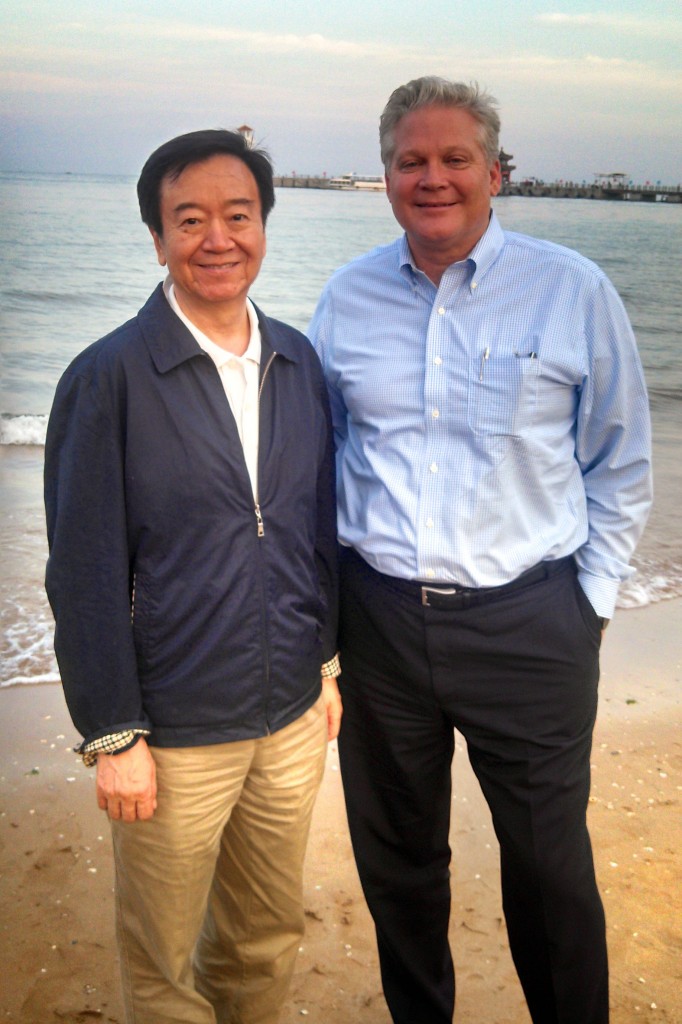 Andy Mangan, US BCSD Executive Director, is in China this week meeting with China Business Council for Sustainable Development staff, member companies, and government representatives working on the Hebei By-Product Synergy Project. Here's Andy alongside Mr. Zhai Qi, Secretary General of the CBCSD, at the shore in Qinghuangdao.
Andy will be traveling from Qinghuangdao to Ulsan, South Korea next week to attend the International Society for Industrial Ecology's biennial conference at the University of Ulsan. The city is one of the best examples of the amazing development of South Korea. It's is home to Hyundai (ship building and automobiles), the SK refinery and petrochemicals complex, and has a large and developing Eco-Industrial Park, which will be a model for industrial symbiosis around the world.
Andy Mangan, US BCSD Executive Director, is in China this week meeting with China Business Council for Sustainable Development staff, member companies, and government representatives working on the Hebei By-Product Synergy Project. Here's Andy alongside Mr. Zhai Qi, Secretary General of the CBCSD, at the shore in Qinghuangdao.
Andy will be traveling from Qinghuangdao to Ulsan, South Korea next week to attend the International Society for Industrial Ecology's biennial conference at the University of Ulsan. The city is one of the best examples of the amazing development of South Korea. It's is home to Hyundai (ship building and automobiles), the SK refinery and petrochemicals complex, and has a large and developing Eco-Industrial Park, which will be a model for industrial symbiosis around the world.

 The US BCSD is headquartered in beautiful Austin, TX, and we're happy to have some wonderful friends and colleagues around the city. If you're in Central Texas, join Net Impact Austin for their June Green Drinks - Summer Celebration! Several community leaders will be in attendance at the event, including the US BCSD, which will take place from 6-8pm on Tuesday June 25th at Treehouse.
Net Impact Austin will be providing complimentary beer and cocktails, thanks to sponsors Full Sail Brewing and Treaty Oak Distilling. Several local sustainability and community leaders will be in attendance, giving you an opportunity to learn about their organizations, talk to them one on one, and celebrate their contributions to our community. This happy hour will also provide an opportunity to get to know Net Impact Austin and Austin Green Drinks board members. Honored guests include:
- Lucia Athens - Chief Sustainability Officer, City of Austin Office of Sustainability
- Sarah Forbes - President, Young Nonprofit Professionals Network
- Susan Fernandes - Director of Operations, U.S. Business Council for Sustainable Development
- John King - Executive Director of the Clean TX Foundation
- Abbey Cunningham - Coordinating Chair - Emerging Professionals, U.S. Green Building Council
- Janet Hale - Texas State University Net Impact Faculty
- Margie Kidd - Executive Director, Global Austin
Click here to register for this free event.
Peter Bakker, President of the World Business Council for Sustainable Development, explains the connection between business and natural capital. Is your organization interested in exploring this relationship further? Take a look at our upcoming Business Ecosystems Training opportunities, and join us for Action 2020 at Yale University this July.
Joining us for Action 2020 at Yale University on July 17-18, 2013?
Actions led by business to achieve one or more societal or planetary goal in the Action 2020 framework will be assisted and scaled up through collaboration with industry peers, academic experts, and government representatives. Action 2020 organizers at the Yale Center for Business and Environment have assembled an esteemed group of colleagues to join us at Yale University, each committed to helping us understand the complexities of our efforts and continue driving to action. See a few standouts below, and visit our website to learn more.
Paul Anastas
 Paul T. Anastas is the Teresa and H. John Heinz III Professor in the Practice of Chemistry for the Environment. He has appointments in the School of Forestry and Environmental Studies, Department of Chemistry, and Department of Chemical Engineering. In addition, Prof. Anastas serves as the Director of the Center for Green Chemistry and Green Engineering at Yale.
Anastas took public service leave from Yale to serve as the Assistant Administrator for the US Environmental Protection Agency and the Agency Science Advisor from 2009-2012. From 2004 -2006, Paul Anastas served as Director of the ACS Green Chemistry Institute in Washington, D.C. He was previously the Assistant Director for the Environment in the White House Office of Science and Technology Policy where he worked from 1999-2004. He is credited with establishing the field of green chemistry during his time working for the U.S. Environmental Protection Agency as the Chief of the Industrial Chemistry Branch and as the Director of the U.S. Green Chemistry Program.
John Bradburn
 John is manager of waste-reduction efforts at General Motors. In this role, he leads the company's landfill-free initiative, which has resulted in 99 GM operations around the world that reuse, recycle, and convert to energy all wastes from daily operations. John is an established expert in waste reduction and recycling, and frequently mentors other companies pursuing zero-waste goals. John's responsibilities also include directing the company's design-for-the-environment program, implementing sustainable processes and technologies that reduce the company's environmental impact and costs.
He collaborates with suppliers, product and manufacturing engineers, and external stakeholder groups. Under John's leadership, GM recycled or reused 90 percent of waste generated globally through various resource conservation efforts in 2011. Between 2000 and 2010, the company reduced non-recycled manufacturing waste by 73 percent.
Marian Chertow
 Marian Chertow is Associate Professor of Industrial Environmental Management and has been Director of the Industrial Environmental Management Program at the Yale School of Forestry and Environmental Studies since 1991. Her research and teaching focus on industrial ecology, business/environment issues, waste management, and environmental technology innovation. Primary research interests are 1) The study of industrial symbiosis including geographically-based exchanges of wastes, materials, energy, and water within networks of businesses. 2) The potential of industrial ecology to underpin ideas of the proposed Circular Economy law in China. 3) The application of innovation theory to the development of environmental and energy technology.
Prior to Yale, Marian spent ten years in environmental business and state and local government including service as President of the Connecticut Resources Recovery Authority charged with developing a billion dollar waste infrastructure system for the state. She is a frequent international lecturer and has testified on waste, recycling and other environmental issues before committees of the U.S. Senate and House of Representatives.
Richard Kidd
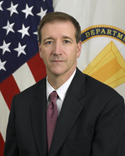 Richard Kidd became the Deputy Assistant Secretary of the Army (Energy & Sustainability) on October 25, 2010. This is his third assignment as a Senior Executive within the Federal Government. In this position he is responsible for overall program direction, establishment of policies, development and refinement of strategies, and oversight for implementation of all programs and initiatives related to Energy Security and Sustainability within the Army. As the Army's Senior Energy Executive, Mr. Kidd coordinates and integrates both installation and operational energy programs and strategies.
Mr. Kidd graduated from the United States Military Academy in 1986 and served as an Infantry Officer until 1991. After receiving a Masters Degree in Public and Private Management from Yale University, he joined the United Nations in 1993 and served in a variety of international assignments, principally in war affected regions of the world.
Anthony Leiserowitz
 Anthony Leiserowitz, Ph.D. is Director of the Yale Project on Climate Change Communication and a Research Scientist at the School of Forestry and Environmental Studies at Yale University. He is a widely recognized expert on American and international public opinion on global warming, including public perception of climate change risks, support and opposition for climate policies, and willingness to make individual behavioral change.
His research investigates the psychological, cultural, political, and geographic factors that drive public environmental perception and behavior. He has conducted survey, experimental, and field research at scales ranging from the global to the local, including international studies, the United States, individual states, municipalities, and with the Inupiaq Eskimo of Northwest Alaska. He also conducted the first empirical assessment of worldwide public values, attitudes, and behaviors regarding global sustainability, including environmental protection, economic growth, and human development.

Move from Vision 2050 to Action 2020 | July 17-18, 2013 | New Haven, CT
Join business, government and academic leaders in developing action plans that address and advance key Action 2020 sustainability efforts in materials, water, energy, and ecosystems. Learn what strategies are working and how we can bring them to scale by taking part in this working meeting, hosted by the United States and the World Business Councils for Sustainable Development in partnership with the Yale Center for Business and Environment. Visit our meeting website, action2020.usbcsd.org to learn more.
What's on the agenda?
The Action 2020 conference is scheduled for July 17-18 in New Haven, Conn., in Yale's Kroon Hall, a striking showcase for sustainable design. The meeting is designed to enable attendees to build case studies and examples of what is working to address key goals in materials, water, energy and ecosystems. This will lay the groundwork for attendees to create collaborative, actionable work plans.
Learn
Plenary sessions will present pressing challenges in each of four focus areas - "must haves" that were identified in the WBCSD's Vision 2050 report and refined this year to specific actions required to get significant results by 2020.
We'll open an extensive toolbox full of enablers, and thought provoking examples of what's working and how we can bring those to scale.
Take Action
Yale faculty and other sustainability experts will facilitate assessment sessions to help companies gauge where they are in the sustainability spectrum and which key strategies make the most sense to be working on.
Those participants who are ready for action will work with like-minded colleagues to piece together project plans. But don't worry if you're not quite there yet - we've designed a series of exciting action labs to keep you moving down the right path.
Interested? Visit action2020.usbcsd.org to learn more and to register today.
Check out Ygrene's new energy center in Sacramento - a meeting place, demonstration center and educational venue for community contractors, building owners and government officials working on Energy Efficiency.
Ygrene Energy Centers from Ygrene Energy Fund on Vimeo.
 Participants of the Louisiana Water Synergy Project met Monday, May 6th at Loyola University, New Orleans.
As many participants come from different sectors of industry but face similar challenges regarding water quality and quantity issues, collaborative thinking led to creative actions to address those challenges. For example, a user of traditional water treatment shared that monitoring dissolved oxygen levels in their mixing tanks helped reduce Nitrogen output, while those experienced with using wetlands as a natural nutrient and sediment removal process extolled the nutrient-cleaning benefits of their approach. Despite different approaches to treatment, both expressed interest in nutrient credit trading.
Participants of the Louisiana Water Synergy Project met Monday, May 6th at Loyola University, New Orleans.
As many participants come from different sectors of industry but face similar challenges regarding water quality and quantity issues, collaborative thinking led to creative actions to address those challenges. For example, a user of traditional water treatment shared that monitoring dissolved oxygen levels in their mixing tanks helped reduce Nitrogen output, while those experienced with using wetlands as a natural nutrient and sediment removal process extolled the nutrient-cleaning benefits of their approach. Despite different approaches to treatment, both expressed interest in nutrient credit trading.
Dr. Gerard Learmonth of the University of Virginia showcased the UVA Chesapeake Bay Game. The game allows players to take on the role of a farmer, waterman, land developer, or a regulator and make land management decisions. These decisions produce true-to-life results enumerated in a Bay health grade, Nitrogen levels, and wildlife subsistence, as well as giving a profit and loss report. After playing a round of the game under different roles, Dr. Learmonth explained the process of designing a watershed collaboration tool for Louisiana. Discussion ensued regarding who the stakeholders would be, what environmental factors would be included, and where the requisite data would come from.
Dr. Mark Davis of the Tulane Institute on Water Resources Law and Policy highlighted the urgency of making proactive water management decisions in his presentation on the Mississippi River and the state of water law across the United States. Dr. Davis challenged meeting attendees to recognize how much water they use, how much they have, and how much they have to share as freshwater becomes an increasingly sought-after resource.
This meeting is an example of how the Louisiana Water Synergy Project brings together representatives from multiple industries to create a forum for regional collaboration to address water quality, quantity, and storm water challenges in southern Louisiana. Collaboration opportunities have already been identified regarding water reuse, use of wetlands for water quality improvement, and water transfer strategies. This project will be used as a format to be replicated in other regions, as water is a rising topic of concern in the US and around the globe.
Want to get involved? Plan to join us next at Action 2020 at Yale University, July 17-18, 2013 in New Haven, CT. Or, visit water-synergy.org for more information on the project.