US BCSD initiates collaborative projects, platforms & partnerships to scale solutions to ecosystems, energy, carbon, materials, water and equity challenges




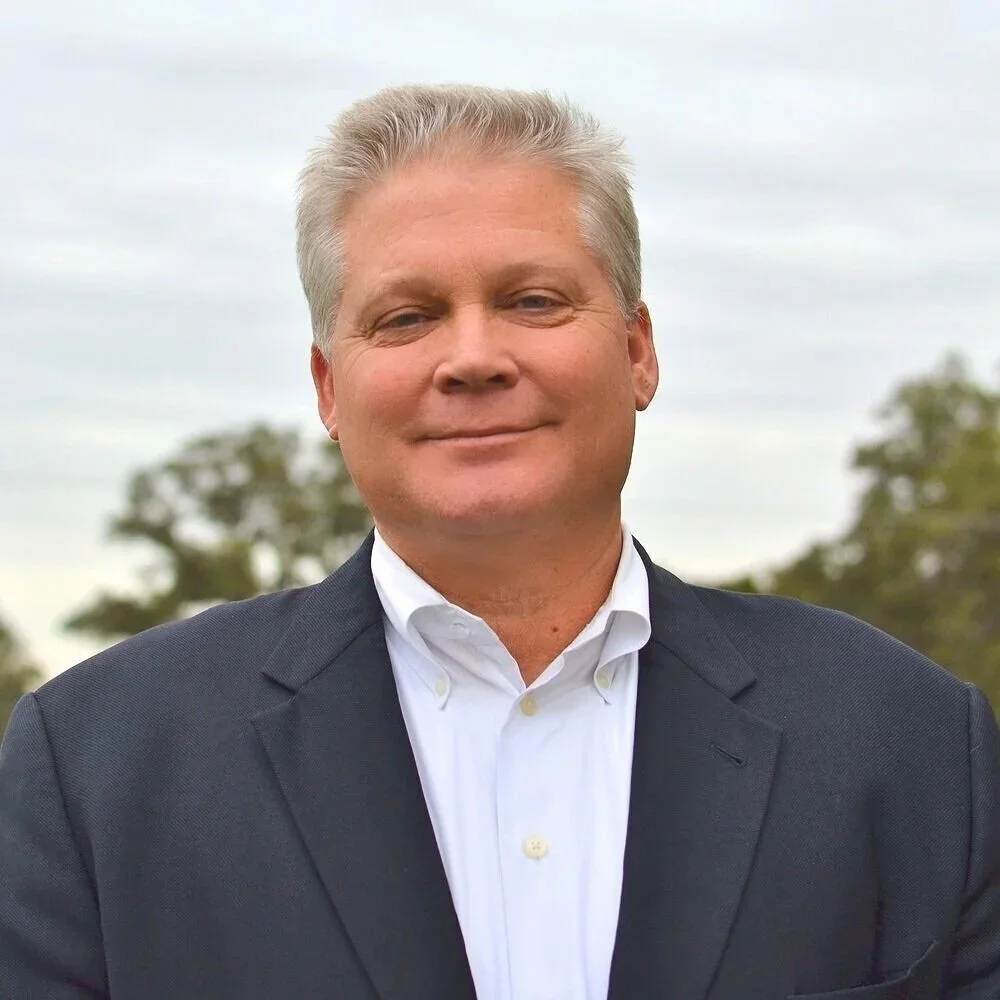
Andy Mangan, Founder
Andrew is co-founder of the US BCSD. He received a master’s degree from the Columbia University Graduate School of Journalism and attended the Columbia School of International Affairs as an International Fellow. Prior work included serving as deputy land commissioner for natural resources with the Texas General Land Office, as a congressional correspondent for the Associated Press, and as a commercial salmon fisherman in SE Alaska.
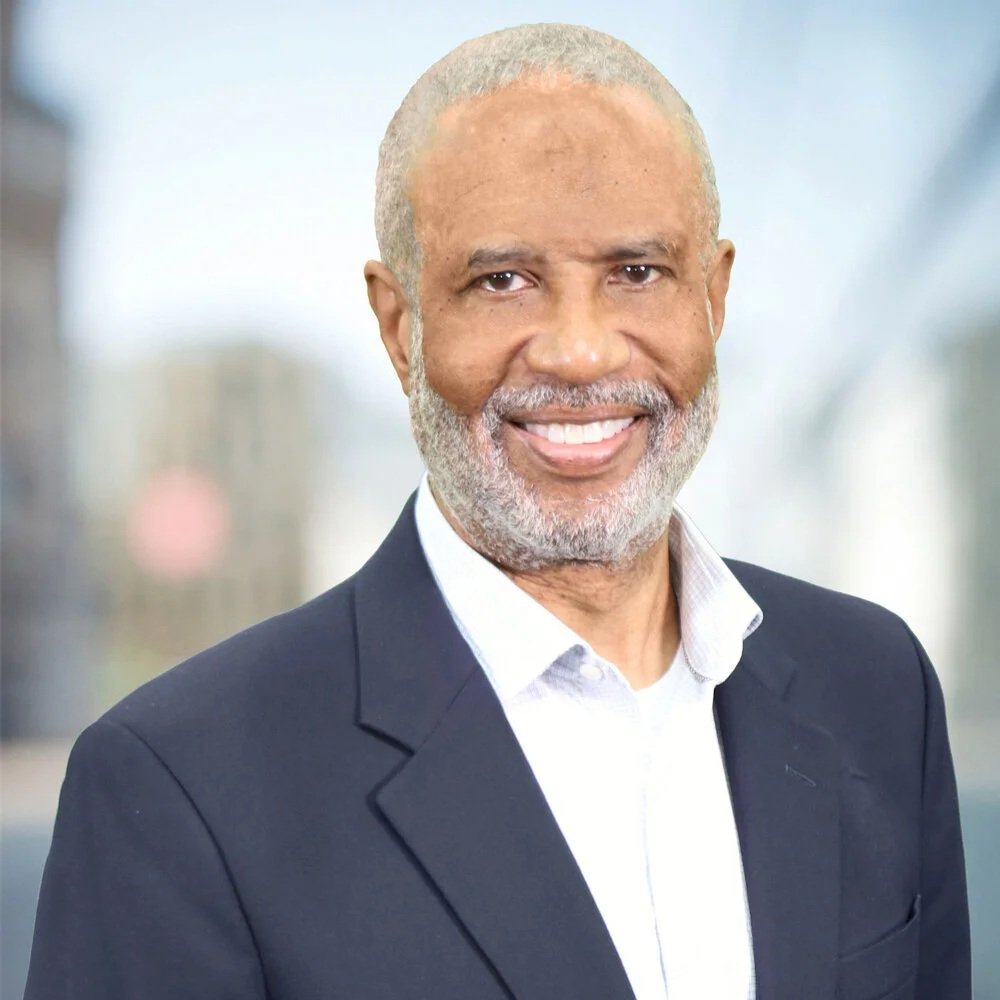
Claude Griffin, Executive Director
Claude is Executive Director of the US BCSD. He has over 40 years of program and project experience in commercial and government sectors, industry, energy, environmental restoration, conservation and social investment. Prior to retirement from Shell, he served as External Relations Advisor for Social Investment Environmental Programs in the US. Claude holds a Bachelor of Science degree in Electrical Engineering from North Carolina A&T State University.
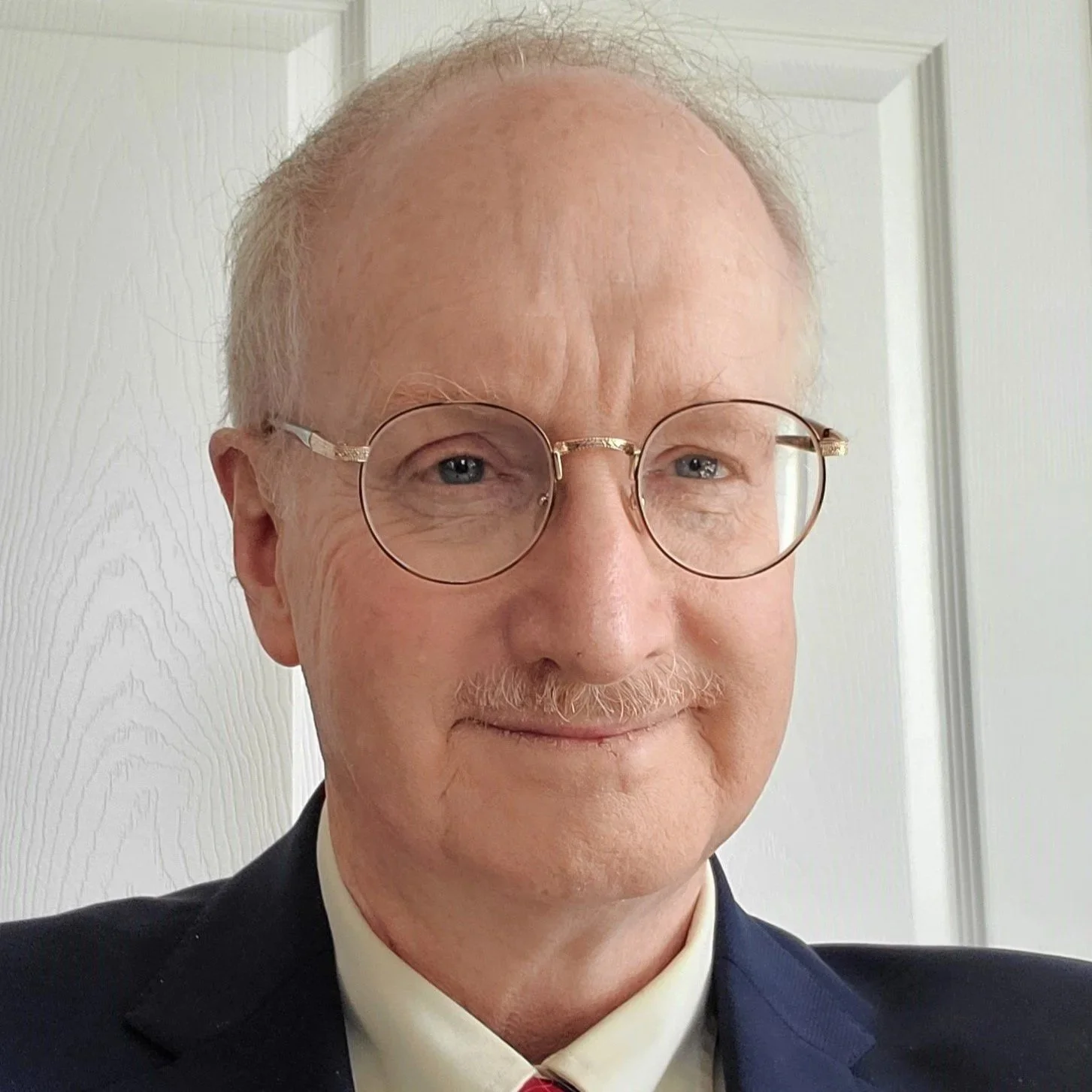
Joe Powell, Climate Advisor
Joe Powell (Joseph B. Powell, PhD) is Fellow and former Director of the American Institute of Chemical Engineers and served as Shell’s first Chief Scientist – Chemical Engineering from 2006 until retiring at the end of 2020, culminating a 36-year industry career where he led R&D programs in new chemical processes, biofuels, enhanced oil recovery, and advised on R&D for energy transition to a net-zero carbon economy.
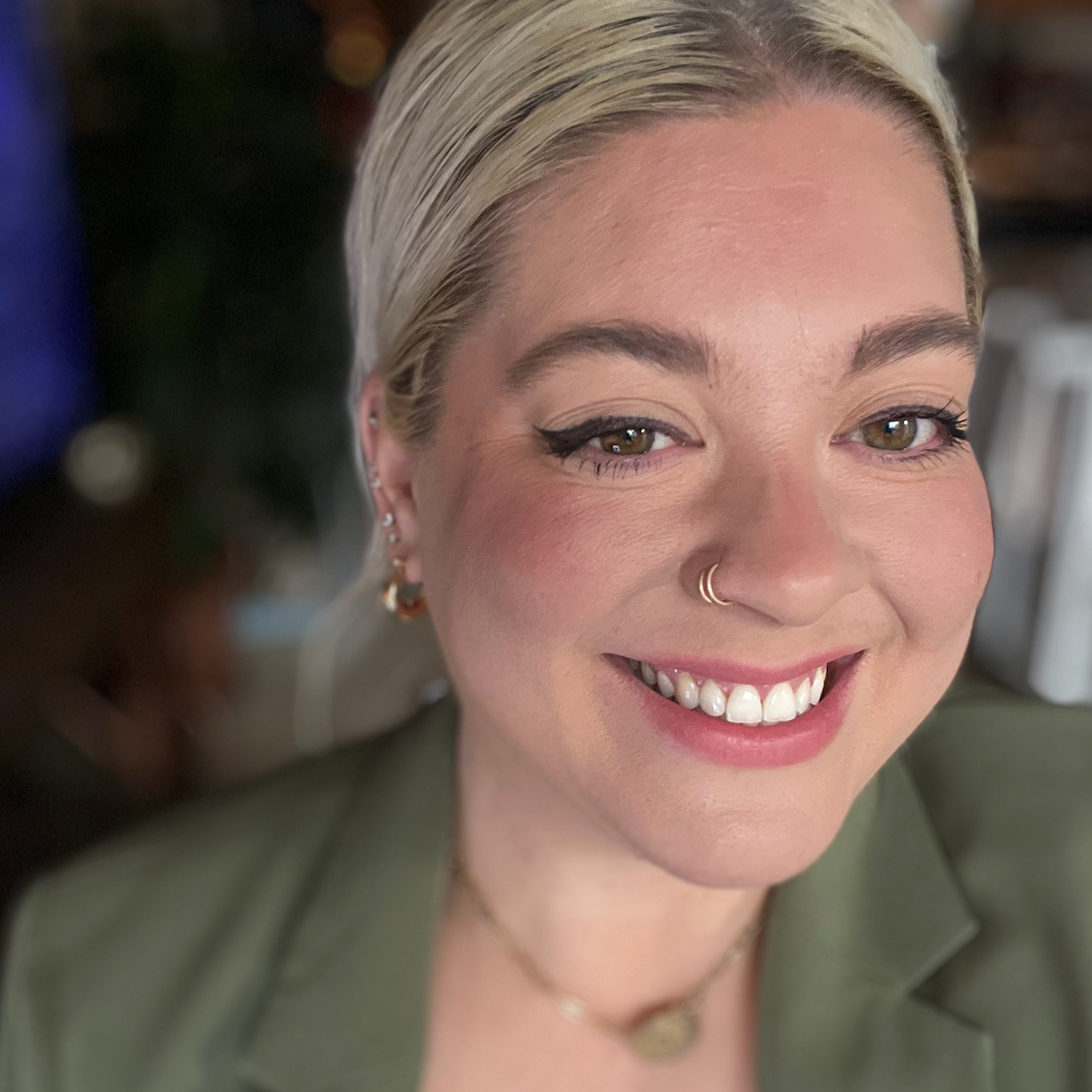
Caroline Mangan, Membership & Communications
Caroline is a project management and communications professional with roots in sustainability, having begun her career supporting outreach and member engagement at the US BCSD. She later led major web and system-integration projects at International Studies Abroad and strengthened her stakeholder and communications skills through technical recruiting roles at Visa, Amazon, and consulting firms. She now brings this blend of sustainability, project leadership, and communication experience to her work at the US BCSD.

The Carbon Collaborative is a regional decarbonization platform designed to mobilize the collective energy & motivation of businesses focusing on producing measurable, long-term carbon emission reductions while enhancing economic vitality.
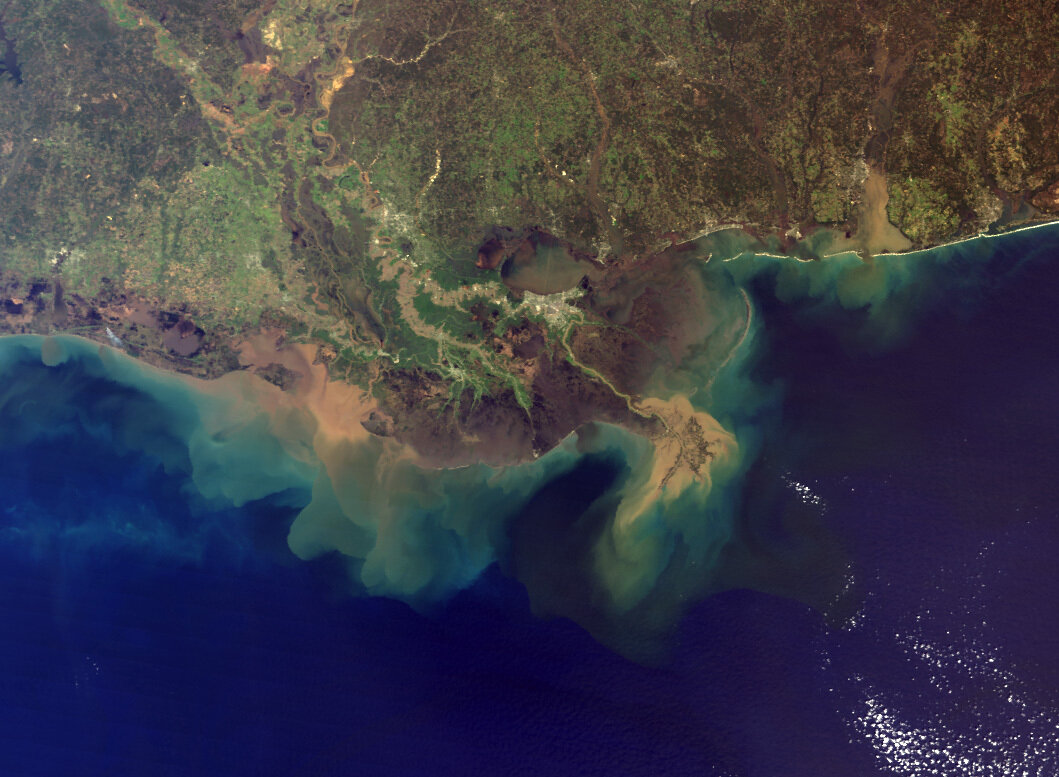
From 2011 to 2017, the US BCSD worked with 20-30 diverse companies in the lower Mississippi River Basin to address a range of water supply, water quality, storm water and coastal resiliency risks.
A key outcome was establishment of a water quality trading system in Louisiana.
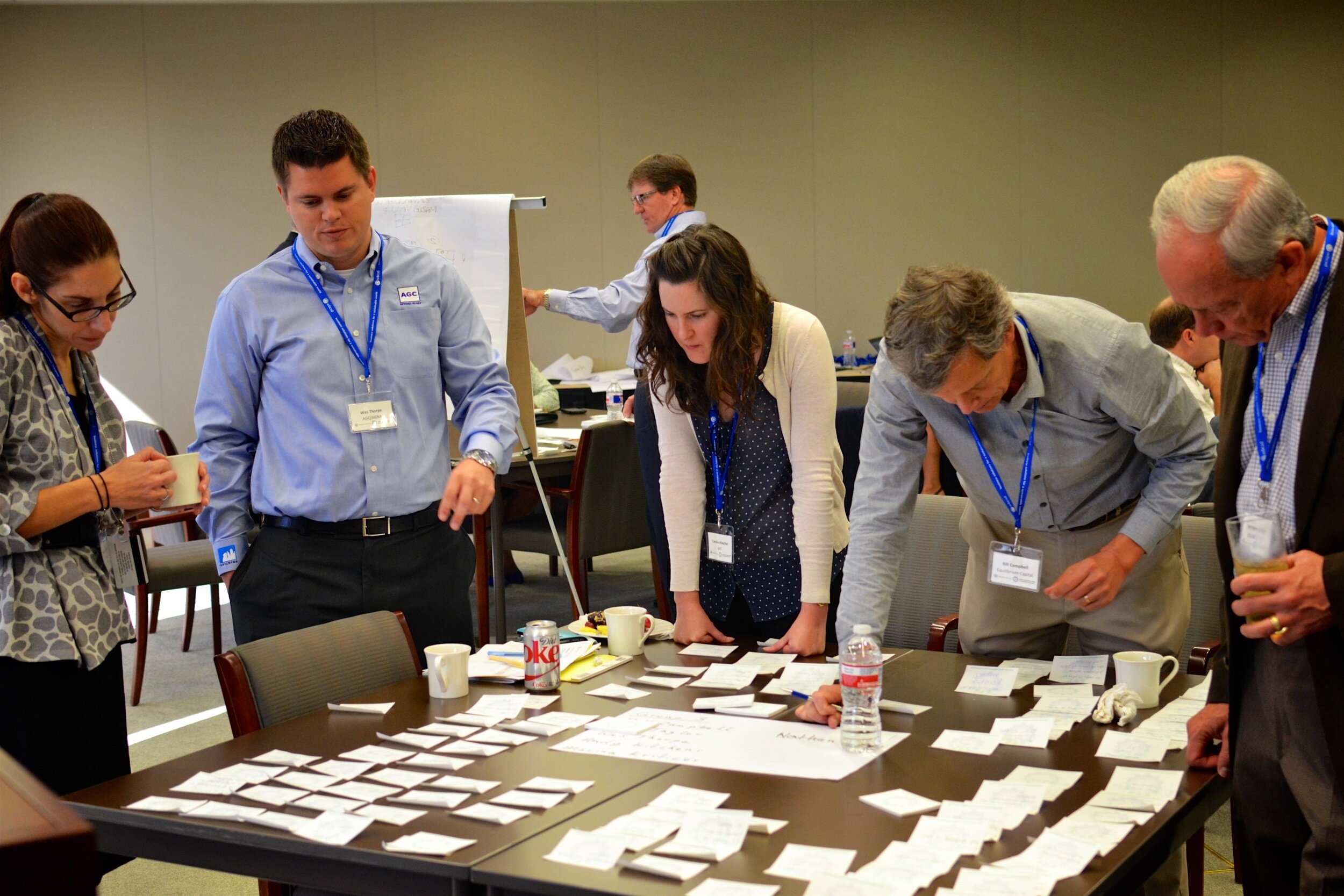
The Energy Efficiency in Buildings Laboratory (EEB Lab) addressed the challenge that globally, buildings are responsible for nearly one-third of final energy consumption (and over 40% of primary energy consumption) with a similar proportion of associated CO2 emissions.
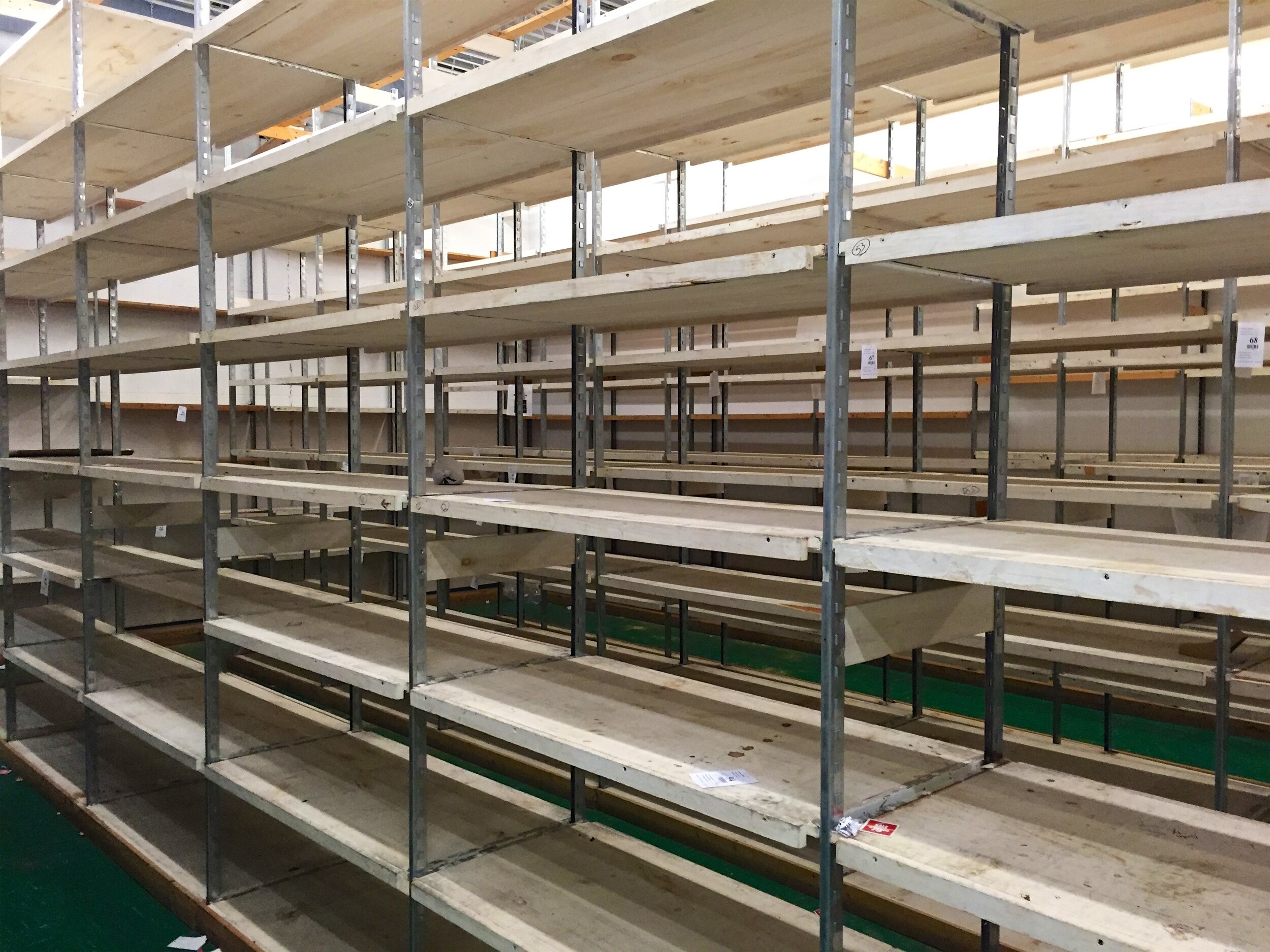
The US BCSD’s Materials Marketplace connects businesses to develop and scale new reuse and recycling market opportunities. Over 2,200 businesses and organizations are using the Materials Marketplace across North America and have diverted 5,300 tons of material to higher and better use.










As part of these efforts the US BCSD works with regional academic institutions to establish sustainability innovation and workforce development through three impactful initiatives:
Carbon Innovation at Prairie View A&M University – launched a national Carbon Utilization Redesign through Biomanufacturing-empowered Decarbonization (CURB) Engineering Research Center (ERC) and supported small landowners in East Texas in accessing new economic opportunities through the Small Landowner Carbon Collaborative.
New Carbon Education Initiative at Southern University – facilitated the development of a campus-wide program focused on carbon awareness, emissions reduction strategies and applied research through engagement with the Gulf Coast Carbon Collaborative.
Career Pathways Program at the University of Arkansas Pine Bluff – helped design four industry-aligned certificate programs focused on energy and environmental innovation, preparing students with practical skills for today’s job market.

The US BCSD brings 20+ years of experience with real projects, teaming with US members, government academic and NGO partners on common solutions and creating pathways to better finance, implement and communicate results.

The WBCSD brings decades of world-class thought leadership from its network of 200 global companies to grasp beyond-the-horizon views of what’s coming next and break-through solutions to deal with sustainability’s business challenges.
Have other questions about our work?
Get in touch using the form below, or contact staff directly!
Phone: 513.646.7277 | Email: info@usbcsd.org | Mail: 2314 Pecan Valley Court, Missouri City, TX 77459