US BCSD Annual Meeting 2026 Summary
US Business Council for Sustainable Development (US BCSD)
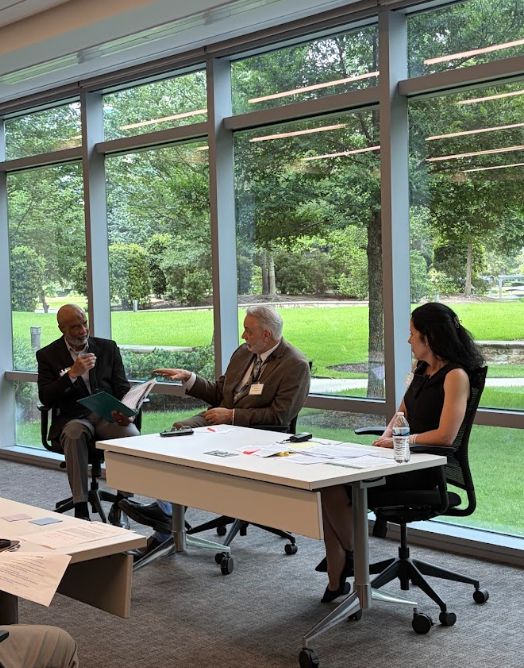
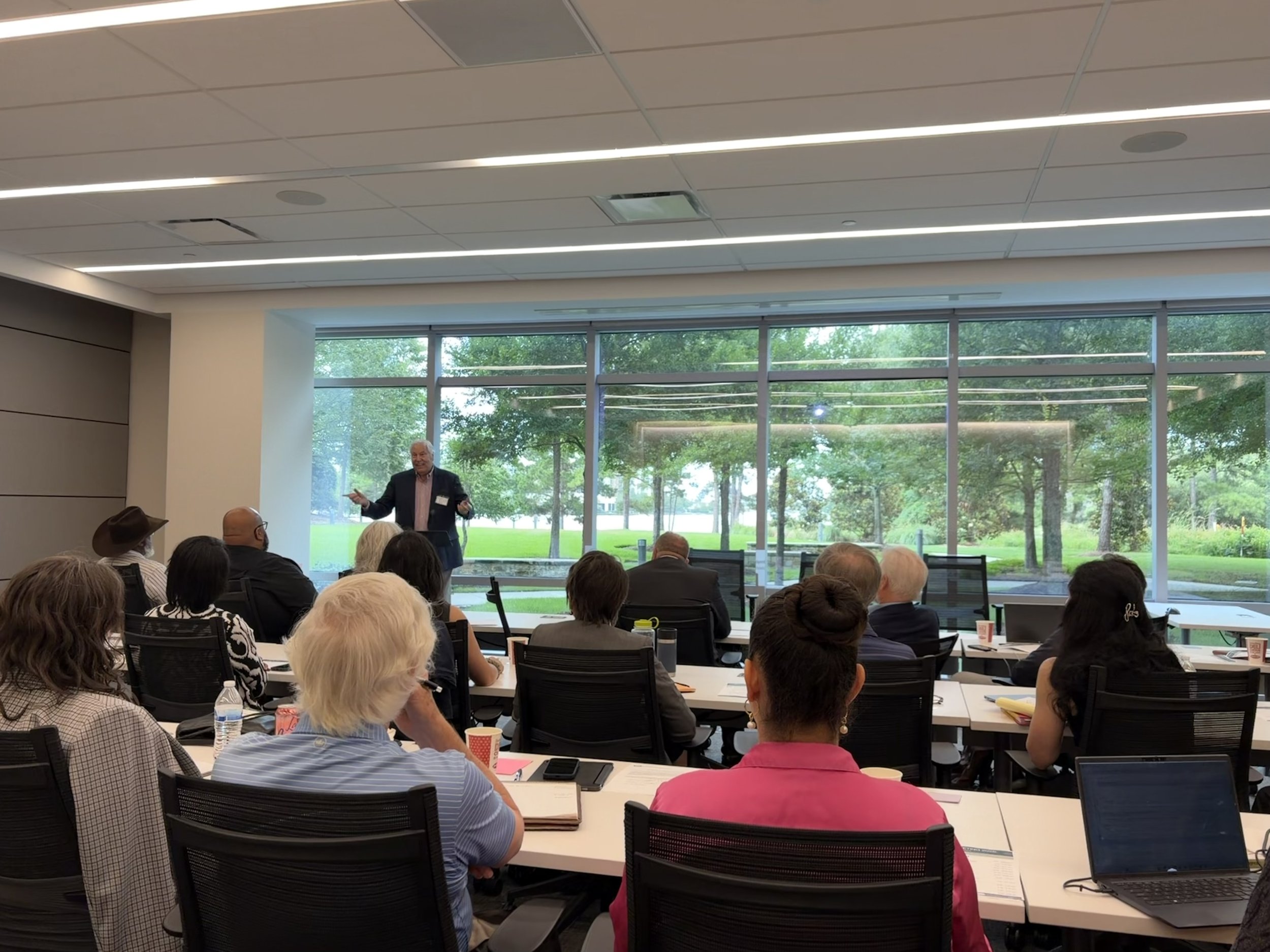
Thank you to everyone who participated in the US BCSD Annual Sustainability Strategy Meeting. This year's discussions focused on a central question:
How can organizations continue advancing sustainability in a changing political and business environment?
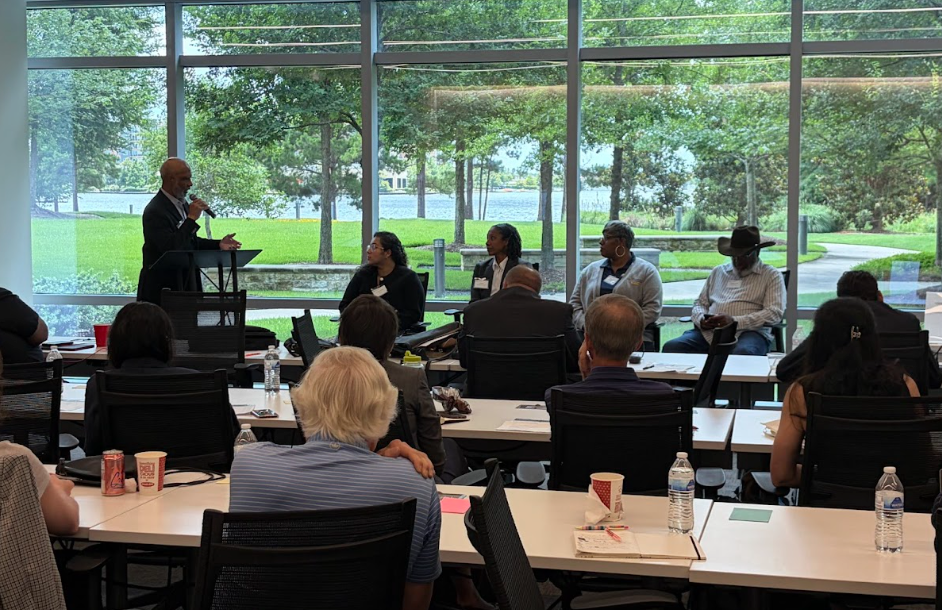
Throughout the day, leaders from industry, academia, government, and nonprofit organizations shared practical experiences, lessons learned, and ideas for future collaboration.
Meeting Outcomes
Several themes emerged consistently across the discussions, and participants left with concrete next steps to build on:
Sustainability is becoming more integrated into business strategy.
Companies are focusing on metrics that drive decisions and create value.
Collaboration remains essential for solving complex challenges.
Biodiversity and resilience are becoming increasingly important topics.
Circular economy approaches continue to create new opportunities.
Artificial intelligence may unlock new tools for sustainability management.
We identified new byproduct synergy project ideas that we'll be exploring in the coming months, with updates to follow.
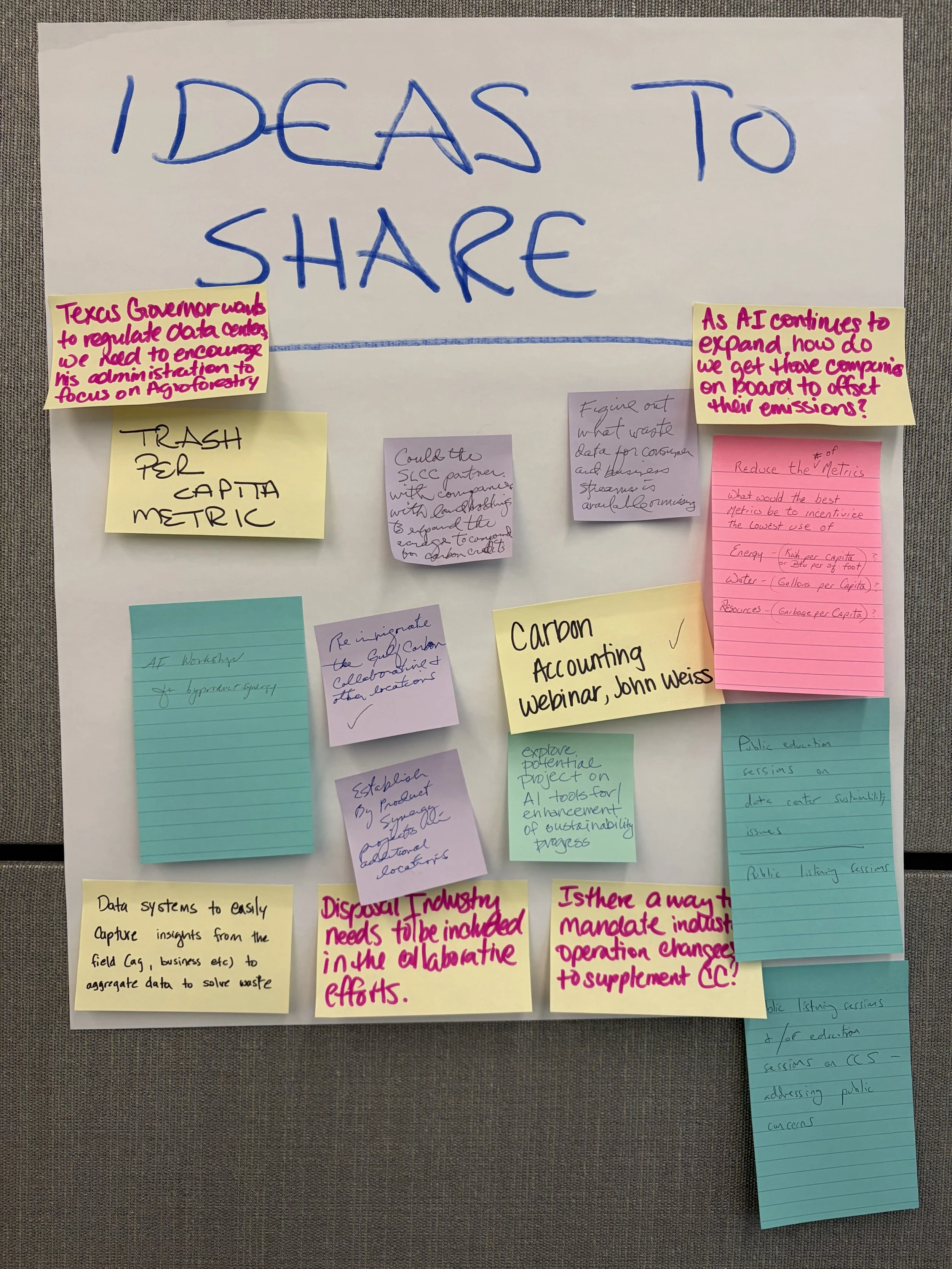
Selected Participant Ideas (Sticky Notes & Group Discussion)
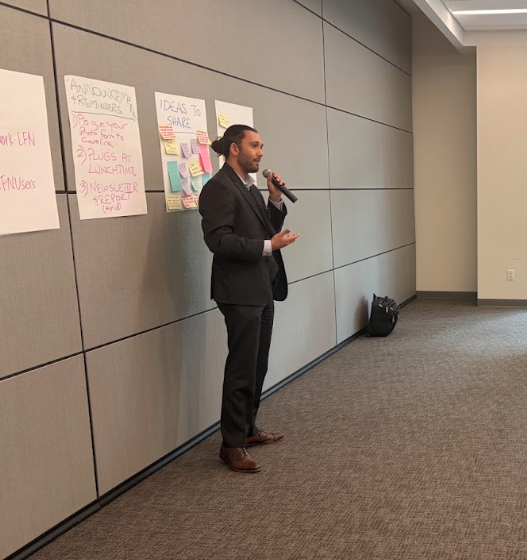
In addition to the panel discussions, participants generated a wide range of ideas through sticky-note exercises and small-group conversations. A few of the most interesting are highlighted below; the full list will continue to inform our programming.
Policy & Regulation
Encourage the Texas Governor's administration to channel its interest in regulating data centers toward supporting agroforestry.
Explore ways to bring AI companies to the table on offsetting their emissions as the industry continues to expand.
Metrics & Measurement
Consider a “Trash Per Capita” metric as a simple, communicable measure of waste reduction.
Reduce the number of metrics used and identify the best ones to incentivize lower energy, water, and resource use per capita.
Programs & Partnerships
Explore SLCC partnerships with additional landholding companies to expand acreage and compound carbon credit opportunities.
Establish byproduct synergy projects at additional locations, and pair them with AI workshops focused on byproduct synergy.
Re-invigorate the Gulf Carbon Collaborative and similar regional efforts (already underway).
Industry Inclusion
Bring the disposal industry into the collaborative efforts alongside existing partners.
Host public listening and education sessions on data center sustainability and carbon capture and storage (CCS) to address community concerns directly.
Group Ideas
Diversify revenue sources rather than relying primarily on government funding.
Require buyers of land for data centers to compensate for lost ecosystem services and act as responsible environmental stewards of that land.
A notable data point shared by HPE: 41% of AI workers are actively blocking AI adoption — a reminder that internal change management matters as much as external strategy.
Key Themes
Sustainability Beyond Politics
Participants discussed how sustainability continues to evolve regardless of changing terminology or political priorities. Organizations are increasingly focusing on:
Long-term value creation
Risk management
Operational efficiency
Business resilience
Key Insight: Sustainability initiatives are most durable when they are embedded within business operations.
Metrics That Matter
Panel discussions explored how organizations are moving beyond reporting alone and focusing on measurements that influence behavior and improve performance. Topics included:
Executive compensation
Investor expectations
Internal performance indicators
Employee engagement
Long-term value creation
Key Insight: The most effective metrics are those that support better decisions.
Biodiversity and Resilience
Several speakers identified biodiversity and organizational resilience as important areas for future attention. Emerging considerations include:
Nature-related risks
Supply chain resilience
Resource availability
Long-term business continuity
Key Insight: Future sustainability strategies may increasingly focus on resilience and ecosystem health.
Circular Economy and Industrial Symbiosis
Discussions highlighted the continued importance of finding value in materials traditionally viewed as waste. Examples included:
Byproduct reuse
Material marketplaces
Cross-industry partnerships
The Sustainable Ohio Byproduct Synergy Network
Key Insight: Collaboration can transform waste streams into economic opportunities.
Carbon Markets and Nature-Based Solutions
Participants explored voluntary carbon markets, credibility challenges, and opportunities to support landowners and communities through collaborative approaches. Topics included:
Carbon accounting
Project quality
Additionality and permanence
Small landowner participation
Nature-based solutions
Key Insight: Trust and transparency remain essential for the future of carbon markets.
Artificial Intelligence and Innovation
AI emerged as an area of growing interest across multiple conversations. Potential applications discussed included:
Data analysis
Carbon accounting
Resource optimization
Identifying industrial symbiosis opportunities
Key Insight: AI may help organizations uncover new opportunities and improve decision-making.
Collaboration as a Common Thread
One message appeared throughout nearly every discussion: complex challenges require collaboration. Participants shared examples of successful partnerships involving:
Businesses
Communities
Government agencies
Academic institutions
Nonprofit organizations
These collaborations demonstrated that shared challenges often create opportunities for innovation and mutual benefit.
Featured Speakers
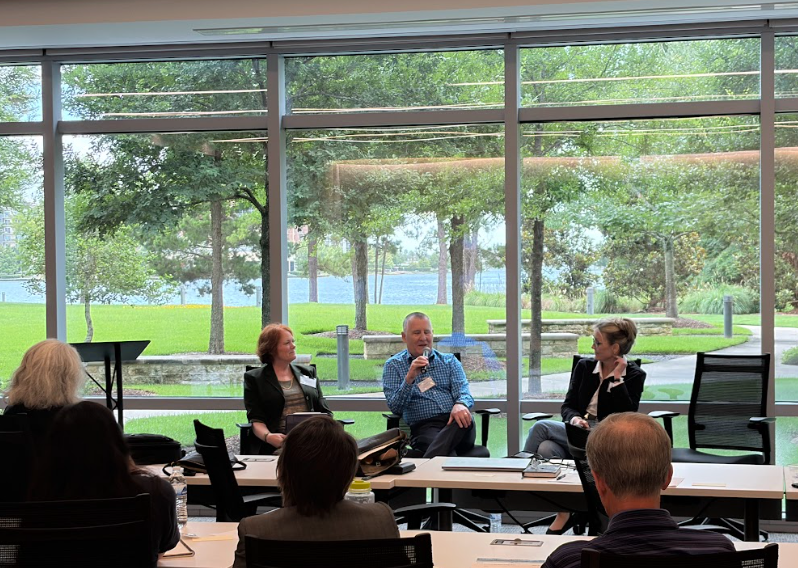
The meeting included perspectives from leaders representing organizations such as:
Trane Technologies
Entergy
Baker Botts
Sustainable Ohio
Ohio Byproduct Synergy Network
Small Landowner Carbon Collaborative
US BCSD member organizations
Looking Ahead
US BCSD will continue building on these conversations through:
Future meetings and events
Member surveys
Monthly newsletters
Knowledge sharing opportunities
Collaboration initiatives
Peer connections across the network
Thank you to our speakers, participants, and members for contributing your time, ideas, and expertise. Together, we continue strengthening a community focused on practical solutions and collaborative progress.
Claude Griffin
Executive Director President & CEO
US Business Council for Sustainable Development (US BCSD)